

Japan rattled by 7.5-magnitude quake: what happened
Late on Monday night (local time), a powerful earthquake of magnitude 7.5 struck off the northeastern coast of Japan — near Aomori Prefecture, just 80 km offshore. The quake occurred around 11:15 p.m. JST at a depth of approximately 50–54 km. In the nearby city of Hachinohe the tremor registered as “upper 6” on Japan's 1-to-7 seismic intensity (shindo) scale — strong enough to make standing impossible and capable of collapsing heavy furniture or damaging walls.

Warnings, tsunami and evacuations
Immediately after the quake, the Japan Meteorological Agency (JMA) issued tsunami warnings for the coastal prefectures of Hokkaido, Aomori and Iwate Prefecture — urging thousands to evacuate. The warning forecasted possible tsunamis up to 3 metres (about 10 feet).
Fortunately, when waves were later observed, their maximum height reached only about 70 cm (some coastal ports reported 20–70 cm). In the early hours of Tuesday morning, the JMA progressively downgraded the warnings to advisories and eventually lifted them.

Impacts: Injuries, disruption & damage
-
At least 23–30 people were reported injured — most from falling objects or minor structural damage.
-
Some power outages affected hundreds to thousands of homes, though most power was restored by early morning.
-
Rail services, including the Shinkansen in the affected region, were suspended.
-
Authorities said there were no major damages at nuclear plants in the region.
So far there are no confirmed deaths or catastrophic structural collapses.

Government response & alert for aftershocks
The government — led by Prime Minister Sanae Takaichi — quickly mobilized emergency teams to assess damage and provide aid. Meanwhile, the JMA issued a week-long advisory, warning residents that aftershocks — potentially strong ones — may follow.
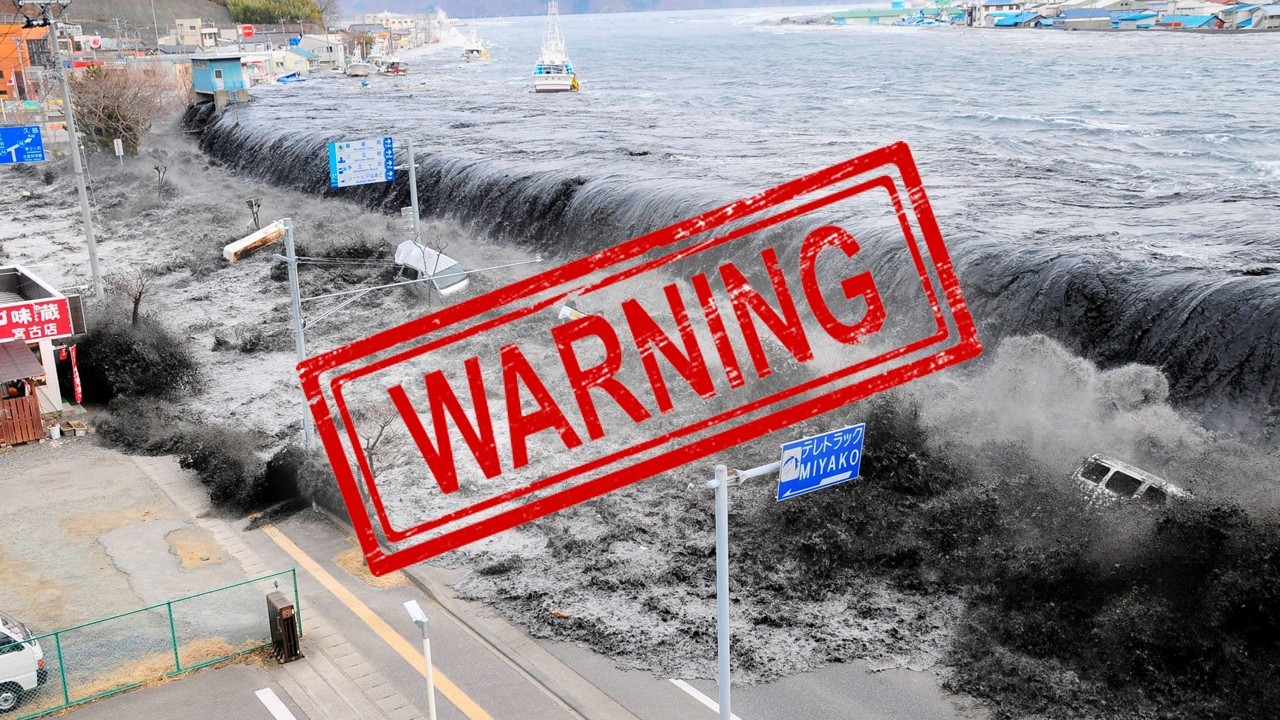
Given that the quake occurred near the same region devastated by the devastating 2011 disaster, concerns are high about potential “mega-quake” risk.
The broader context: Why Japan is vulnerable
Japan lies on the so-called “Ring of Fire,” a zone of intense seismic activity where multiple tectonic plates meet. This makes large earthquakes a recurring risk — especially off the Pacific coast near Aomori, Hokkaido and the Tōhoku region. The last time a major quake struck this region with tsunami and wide-ranging damage was in 2011, and this recent tremor is a stark reminder of that history.
As of now, Japanese authorities continue to monitor aftershocks, inspect critical infrastructure, and advise people to stay ready — even as the immediate tsunami threat has passed.


